
 English
 日本語
日本語
Avoiding Deep Sleep Makes It Easier to Reset~How Professional Volleyball Team VOREAS HOKKAIDO Uses the giraffenap~
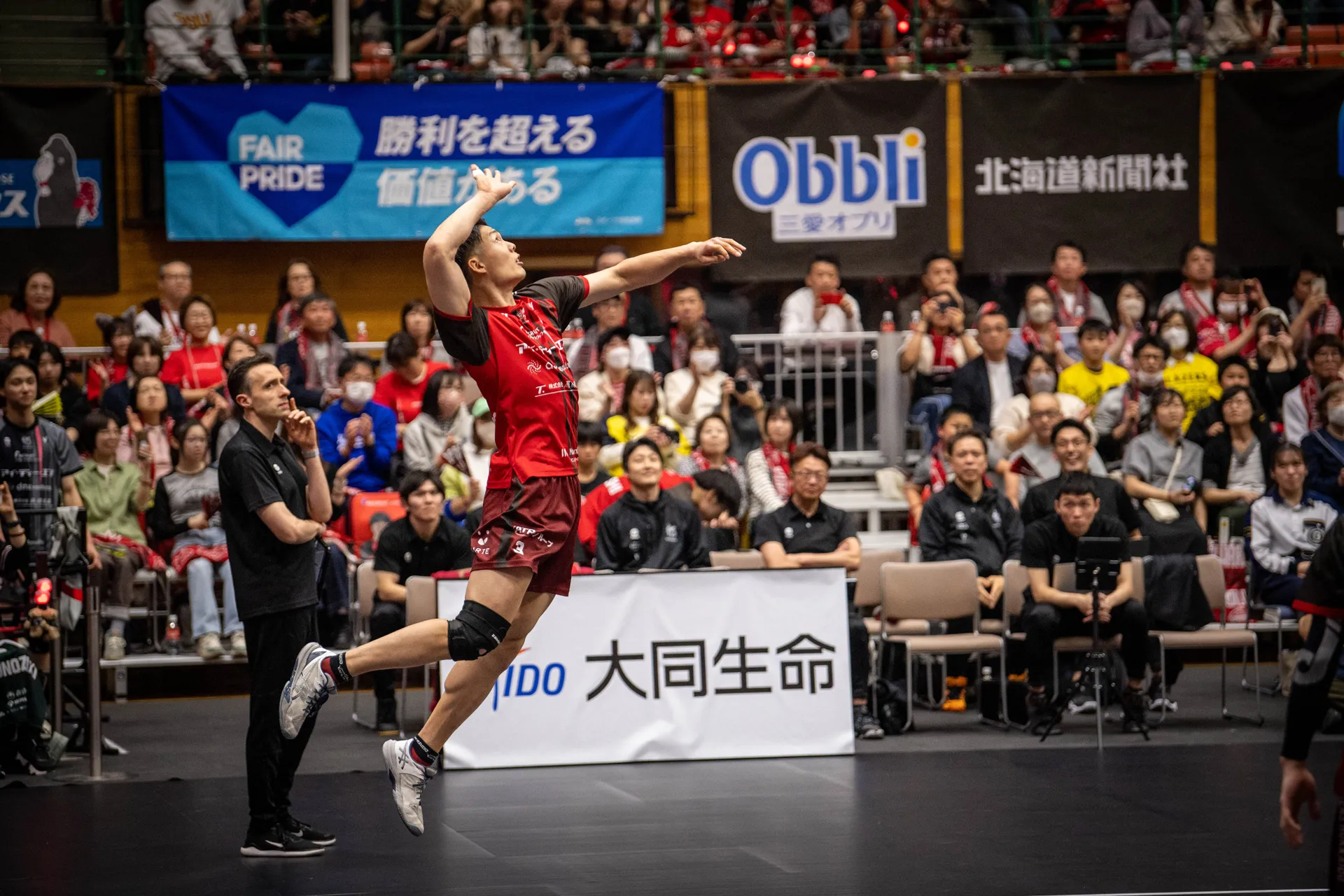
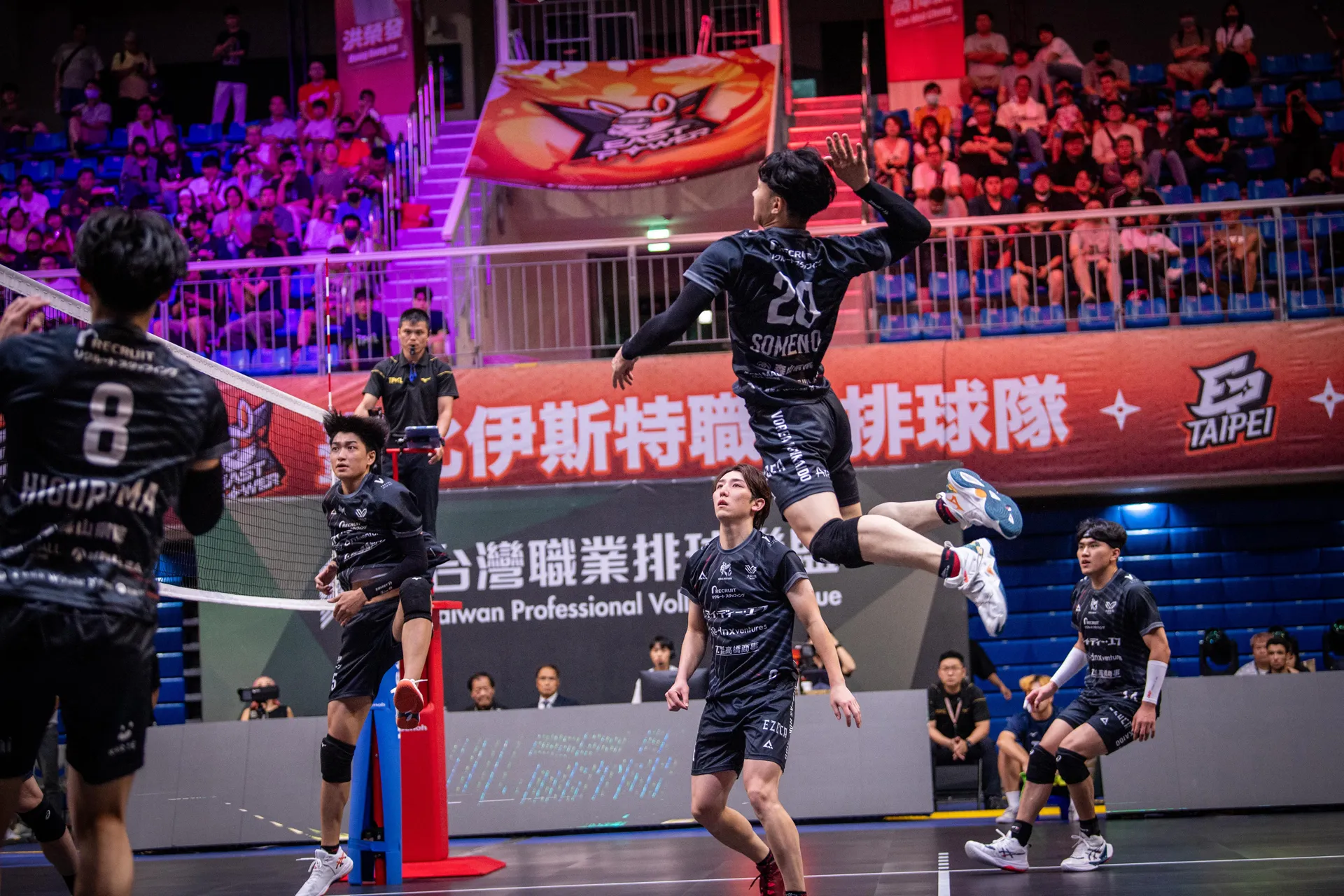
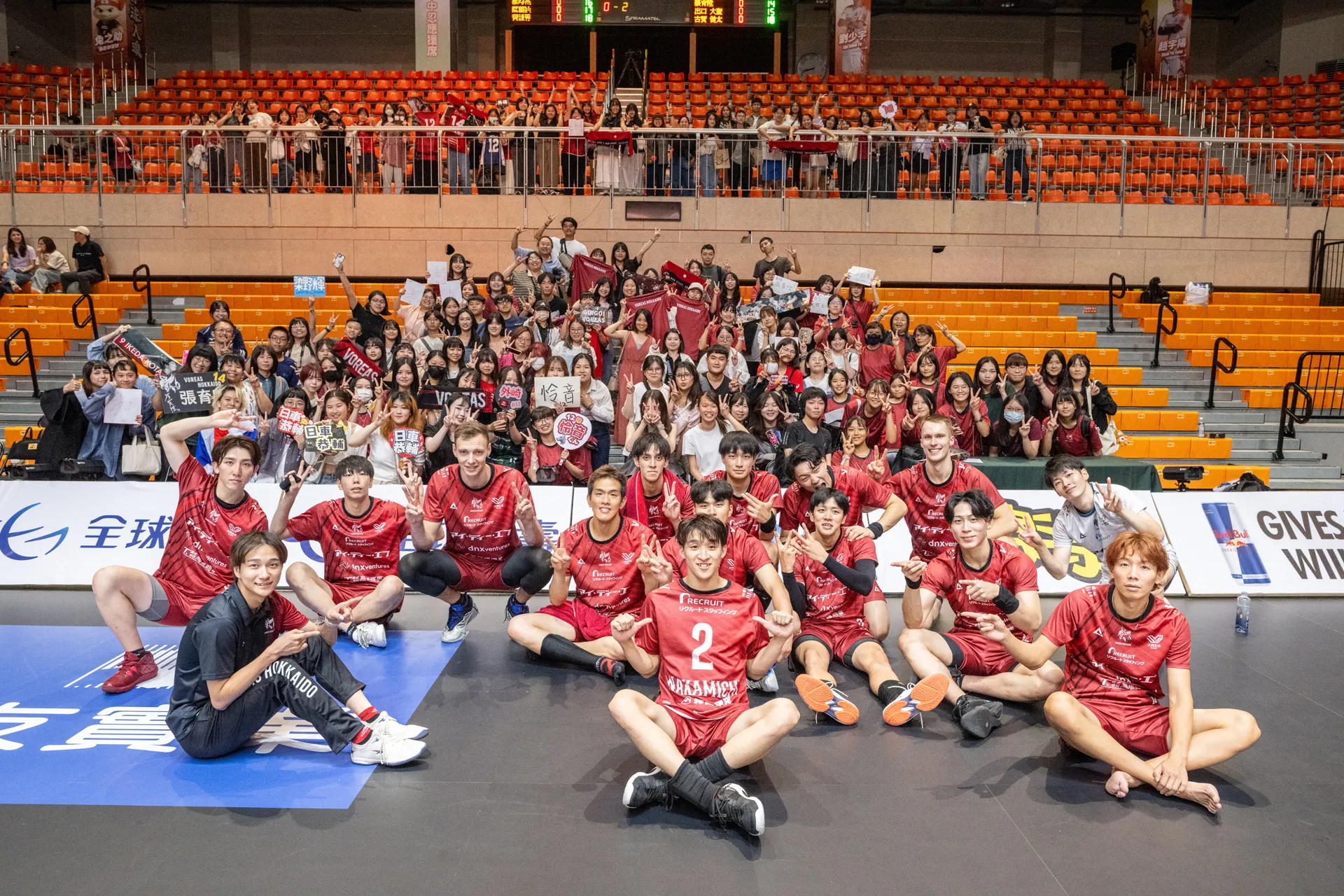
VOREAS HOKKAIDO joined the SV.LEAGUE—the highest tier of professional volleyball—in the 2024–25 season and continues to take on some of the strongest teams in the world.
Behind the team’s relentless pursuit of excellence is a rigorous daily approach to physical conditioning.
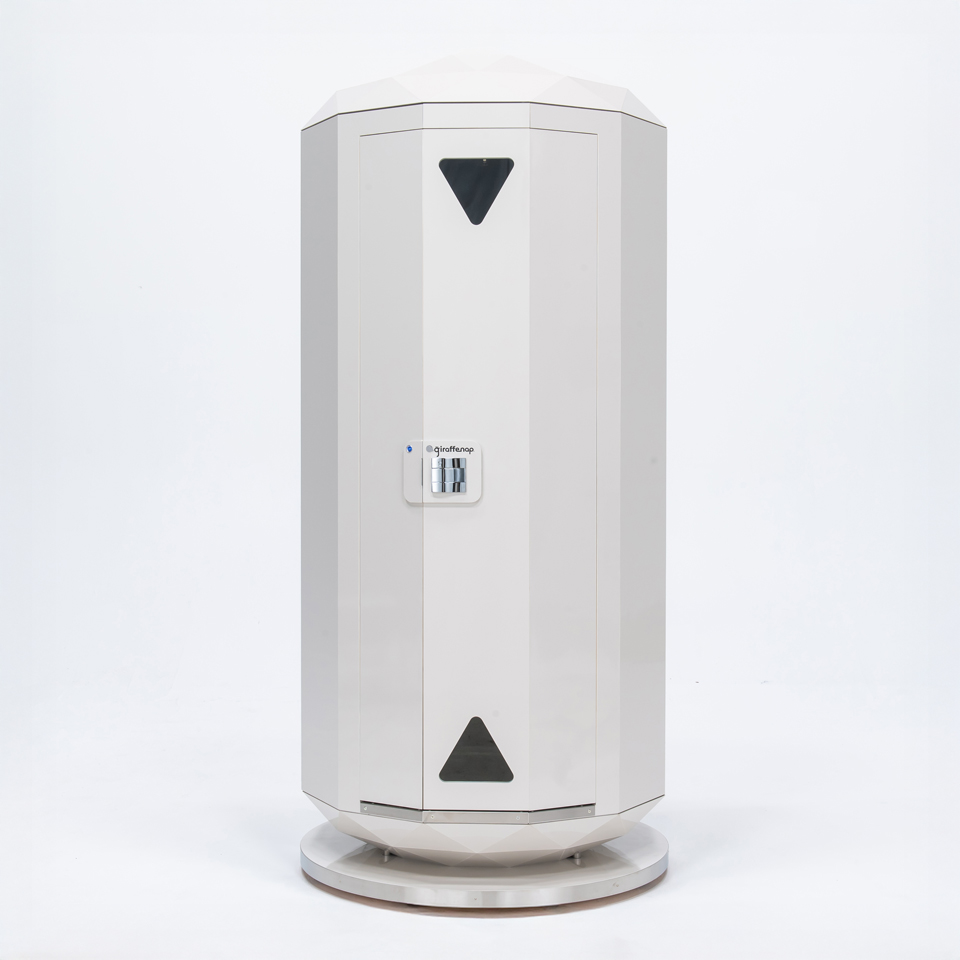
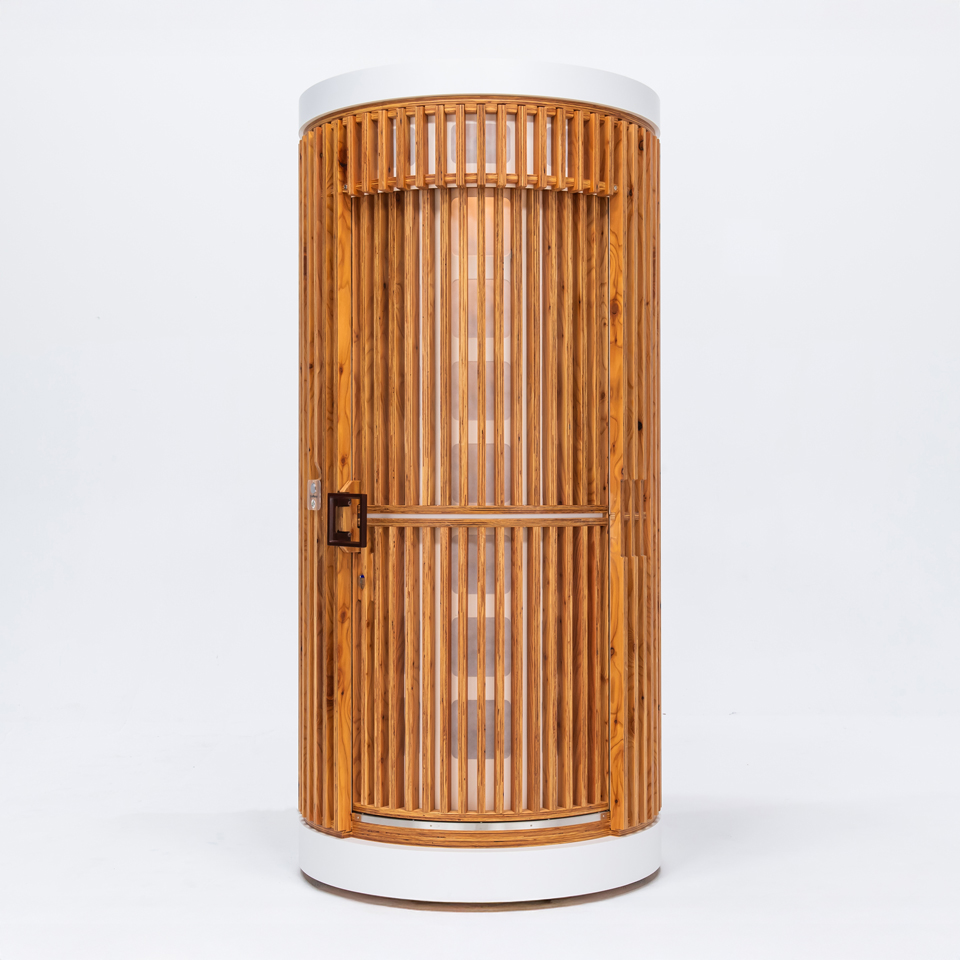
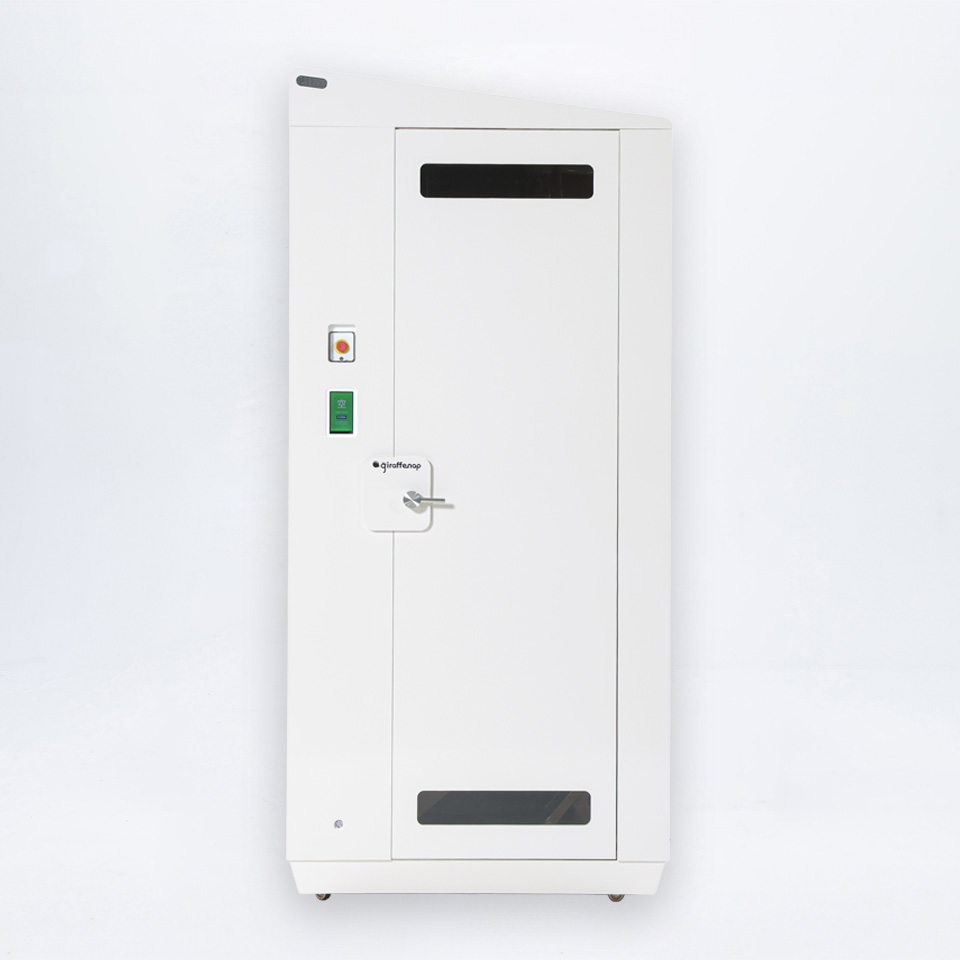
As the team explored effective ways for players to nap and maintain their condition during full-day training sessions, the giraffenap nap pod emerged as a potential solution and was subsequently installed at the team’s training facility.
We spoke with Takayuki Tashiro, who was involved in introducing the product; VOREAS HOKKAIDO player Jin Inoue; and Assistant General Manager Yuna Okuyama. Each shared their perspective on how the team uses giraffenap.
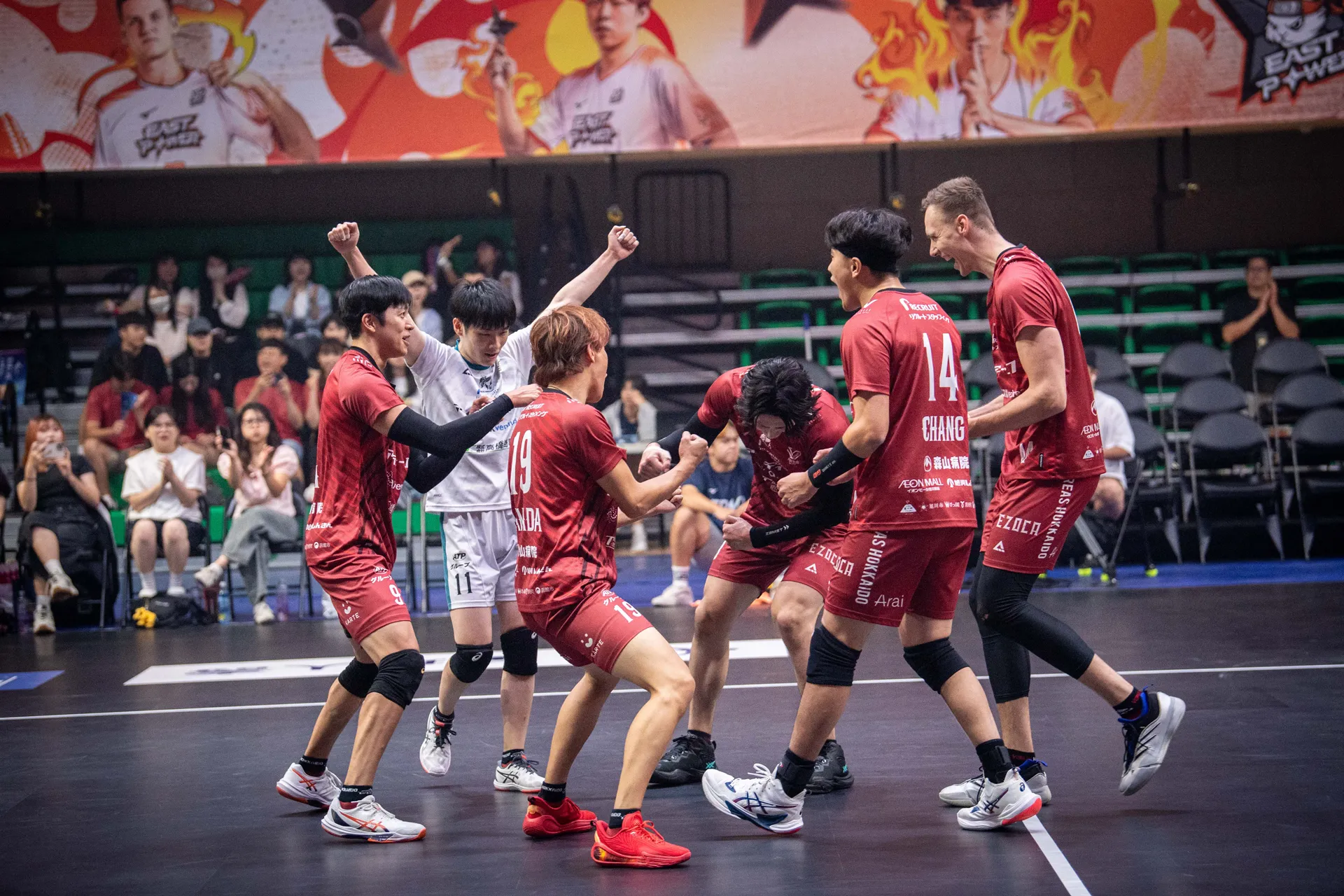
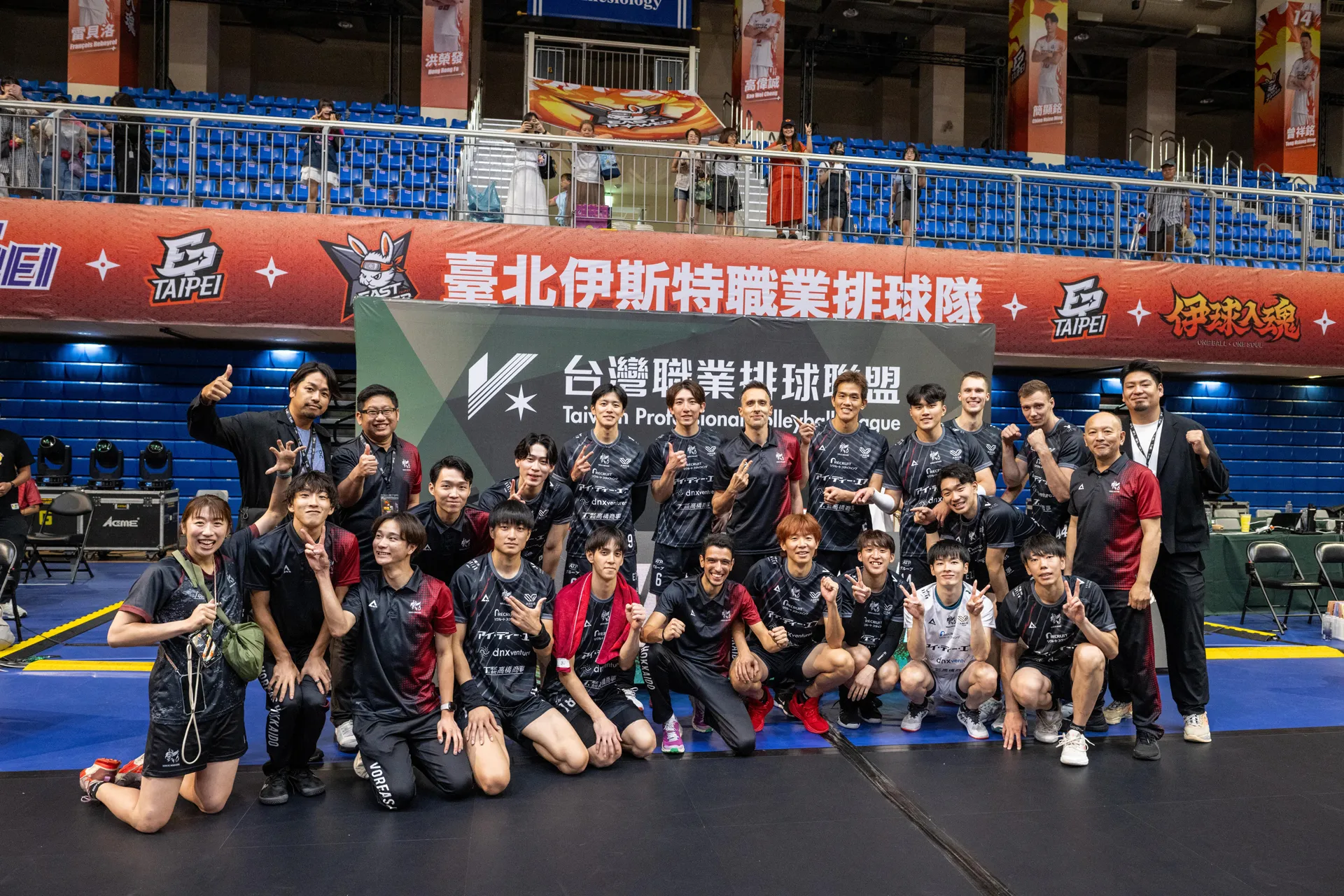
Founded in 2016, VOREAS HOKKAIDO is Japan’s first professional volleyball team.
After entering Japan’s domestic V.LEAGUE, the team won three consecutive third-division championships, followed by a second-division title. In the 2022–23 season, they finally achieved their long-awaited promotion to V1.
Since the 2024–25 season, VOREAS HOKKAIDO has competed in the newly reorganized SV.LEAGUE, which aims to become one of the world’s premier volleyball leagues.
Under the slogan “Children of the Revolution,” the team continues to embrace new challenges against world-class competition.
Background and Objectives Behind the Installation
At the time giraffenap was introduced, Takayuki Tashiro supported the team’s growth as both a player and a member of the sales team.
We asked him about what led to the installation and what appealed to him about the product.
Discovering giraffenap While Looking for a Better Way for Players to Nap
The idea of introducing giraffenap came through one of the team’s corporate partners.
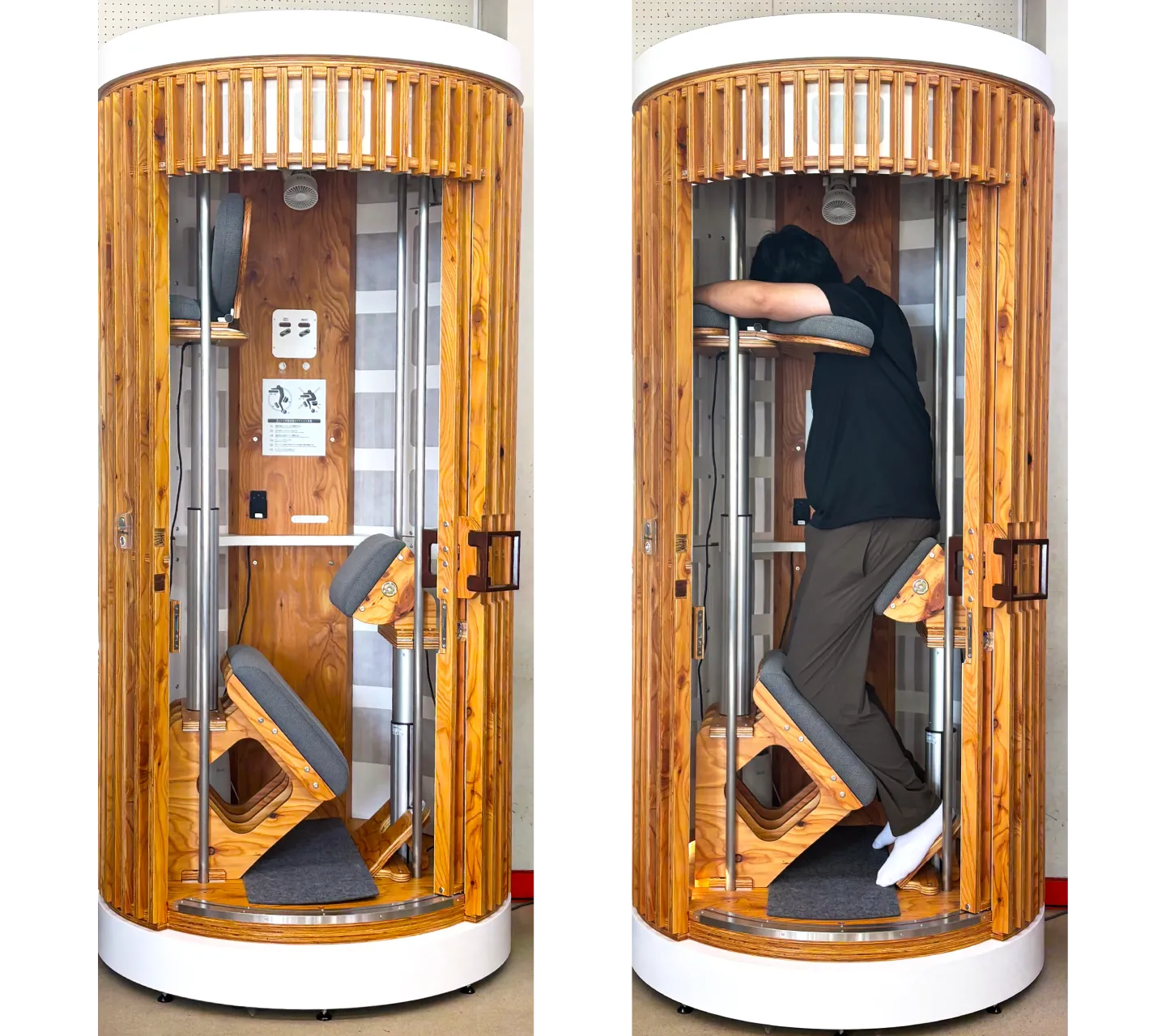
We had the opportunity to try the giraffenap upright nap pod installed at the partner company’s office, and its concept immediately caught our attention.
At around the same time, the team had begun full-day training in earnest. Each player was exploring different ways to nap so that their performance would not decline during the afternoon session.
It goes without saying that sleep is essential for athletes. As one potential way to address this challenge, we began considering the introduction of giraffenap.
Upright Napping May Suit Athletes by Reducing Lower-Back Strain and Preventing Overly Deep Sleep
One of the factors behind our decision was the sense that sleeping in an upright position could be particularly well suited to an athlete’s daytime nap.
We saw two specific benefits.
The first was reduced strain on the lower back. The second was that users would be less likely to fall into a deep sleep, making it easier to wake up feeling refreshed.
Being able to wake up relatively smoothly, even after an intense weight-training session, seemed like a major advantage when preparing the body for afternoon practice. This became one of the deciding factors behind the installation.
A Smooth Introduction and Simple Operation—Creating an Environment Where Players Can Wake Up Refreshed
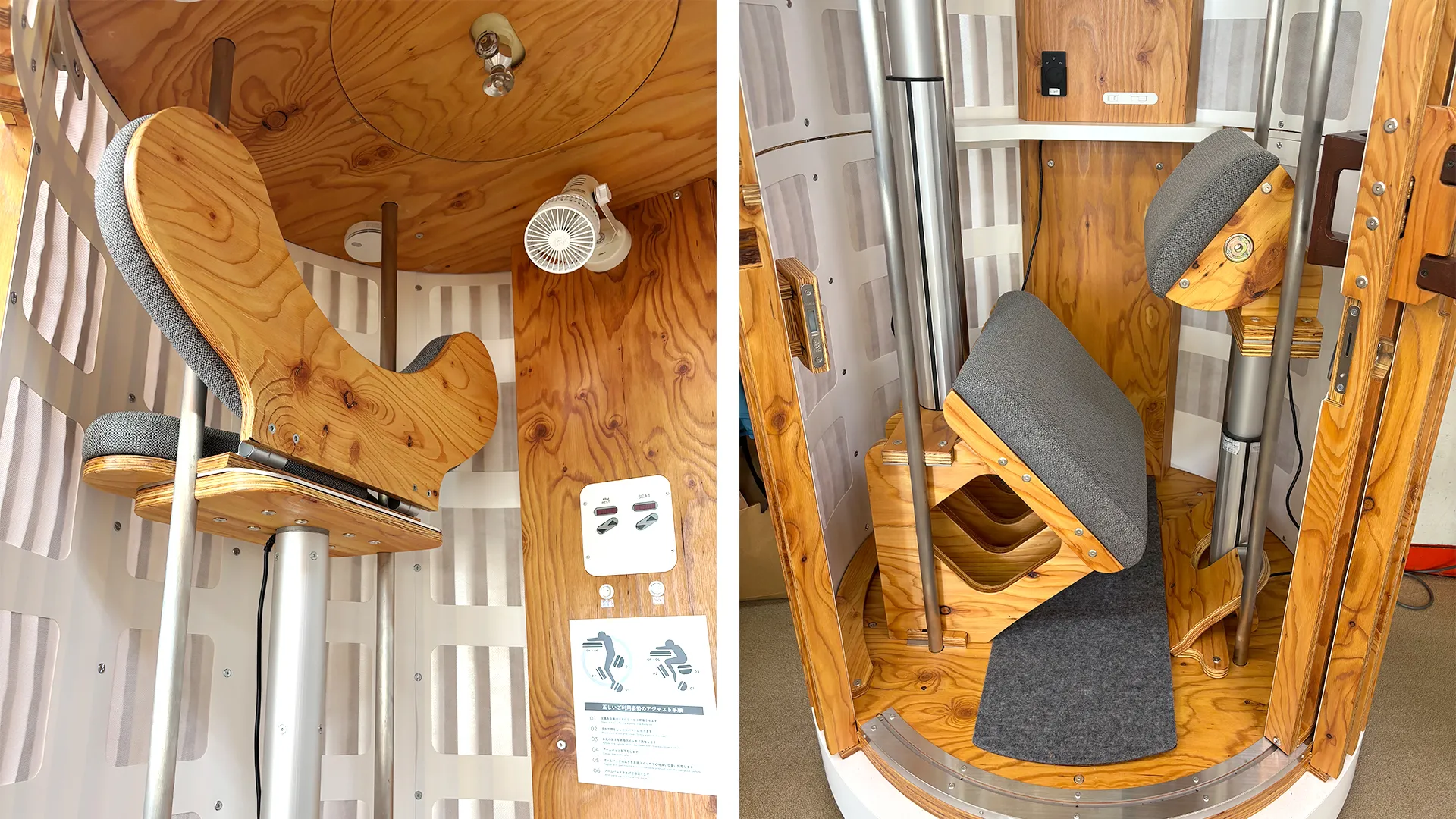
Because we had tried the actual product and spoken directly with the people involved before introducing it, there were no significant surprises after installation.
We have not established any special rules for its use. Instead, we have created an environment in which players can use it freely.
When I used giraffenap myself, I genuinely felt that I was able to wake up feeling refreshed.
I hope it is helping the players approach their practices and matches in the best possible condition.
How Athletes Use giraffenap
Jin Inoue, No. 5, VOREAS HOKKAIDO
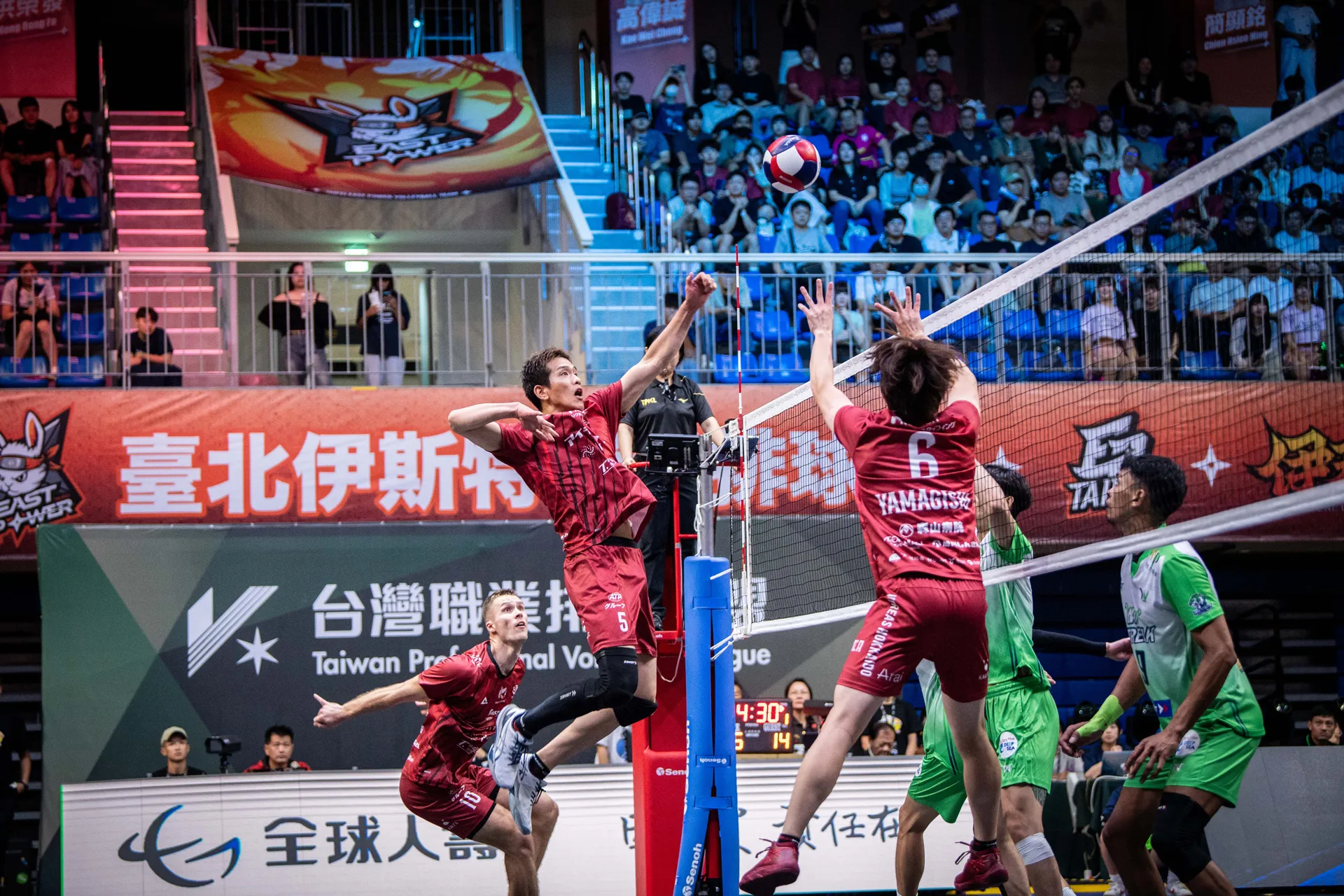
For athletes competing at the highest level, daily conditioning is a crucial factor that can determine the outcome of a match.
Jin Inoue, a middle blocker for VOREAS HOKKAIDO, says he has incorporated naps into his training routine since his university days to maximize his performance.
We spoke with Inoue about the nap habits he developed through trial and error over the course of his career, as well as how he uses giraffenap from an athlete’s perspective.
Never Sleep Too Long—The 15-Minute Nap Routine Developed Through Trial and Error
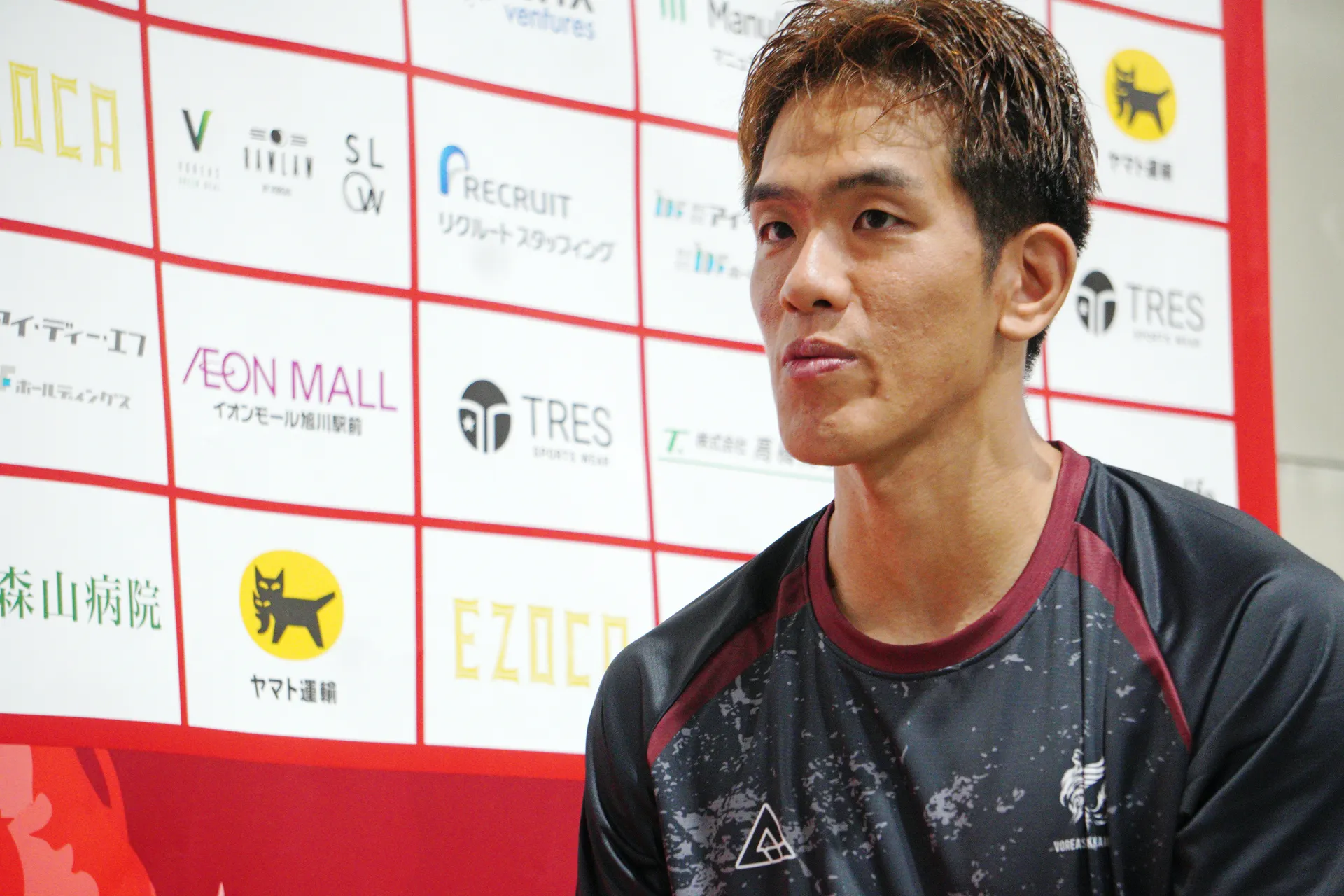
Since university, I have made naps part of my recovery routine on days when we have both morning and afternoon training sessions.
I received advice from trainers, but more than anything, my own experience told me that I simply felt more refreshed after sleeping.
The important thing, however, is not to sleep for too long.
At first, I sometimes slept without paying attention to the time. When I did that, my body would feel sluggish during the afternoon practice session.
Based on that experience, I now feel that 10 to 15 minutes is ideal, with 20 minutes being the absolute maximum.
Even when I am still sleepy, getting up at the time I have decided on is key to maintaining my performance.
It may sound surprising, but whether or not you spend even five minutes resting with your eyes closed can make a tremendous difference in how you feel afterward.
You do not necessarily need to fall into a deep sleep. Simply relaxing can help both your body and mind recover.
Refreshing Both Mind and Body—The Physical and Mental Benefits of Napping
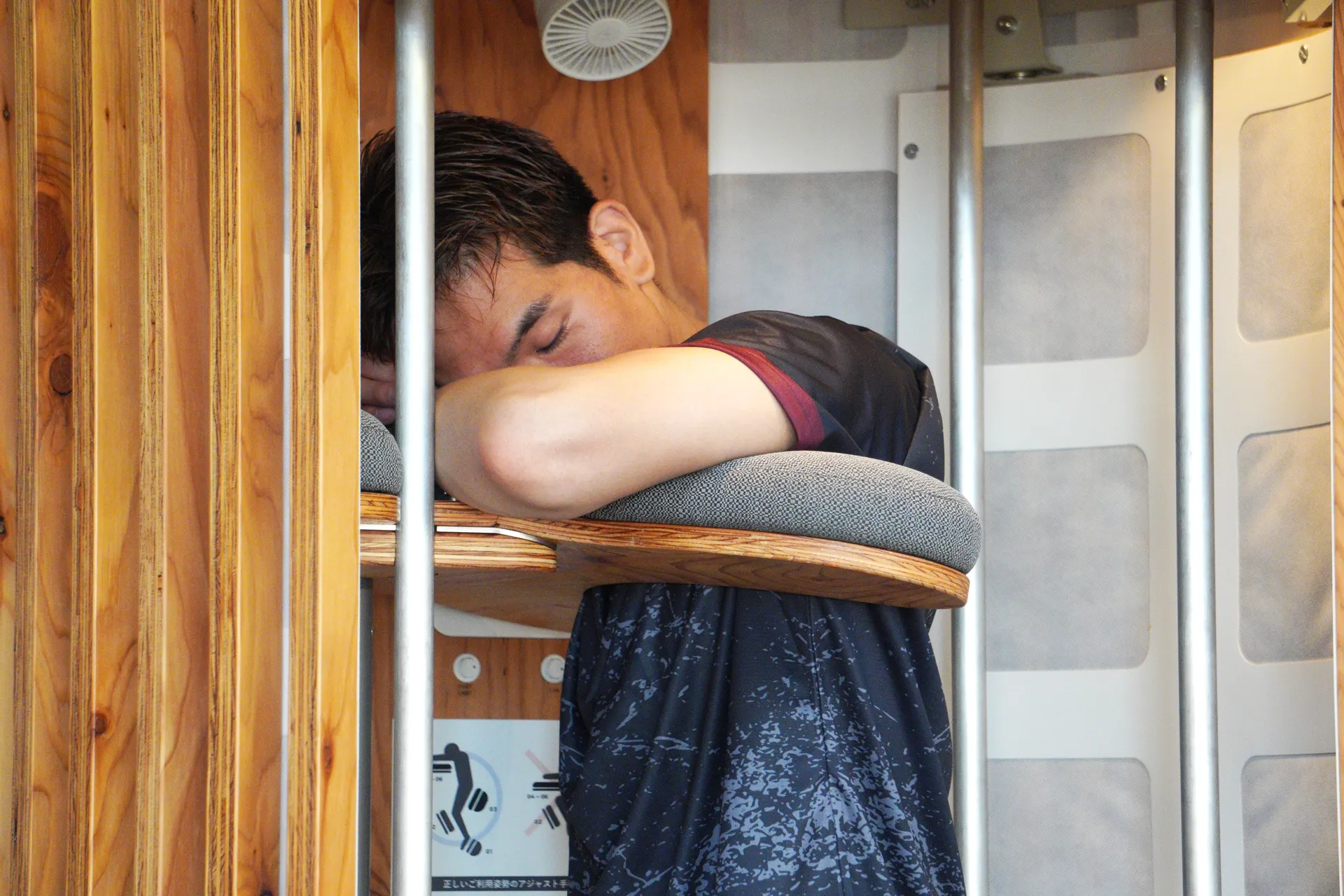
For me, napping is effective not only for physical recovery but also for mental refreshment.
Even a short nap helps clear my mind and makes my body feel lighter.
Napping is an important recovery method that benefits both physical and mental condition.
During particularly demanding periods with consecutive full-day training sessions, these short breaks can significantly affect the quality of our performance in the afternoon.
Smoothly Switching Between “Off” and “On” with giraffenap
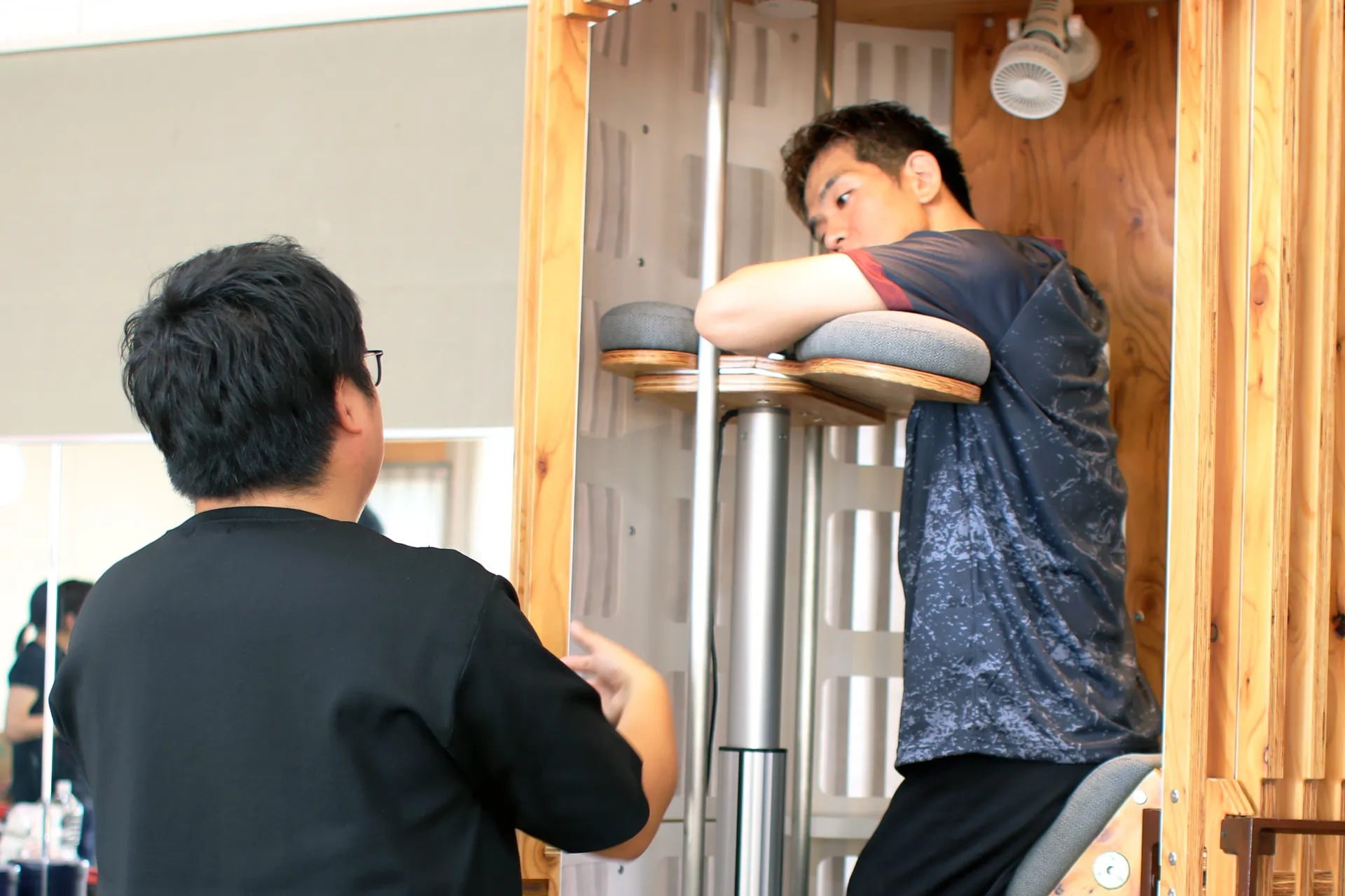
I mainly use giraffenap during the lunch break on full-day training days.
It is ideal for getting myself ready during the short period between lunch and the start of the afternoon practice session.
The greatest benefit I have noticed is how easy it is to switch my mindset and say, “Okay, it’s time to get up.”
When you lie down on the floor or on a bed, you inevitably feel like you want to sleep a little longer. I do not experience that feeling as strongly when I nap in an upright position.
Being able to quickly shift my focus from rest mode back into training mode is a major advantage for an athlete.
Napping Is a Personal Recovery Method—and There Is Still Room for Evolution
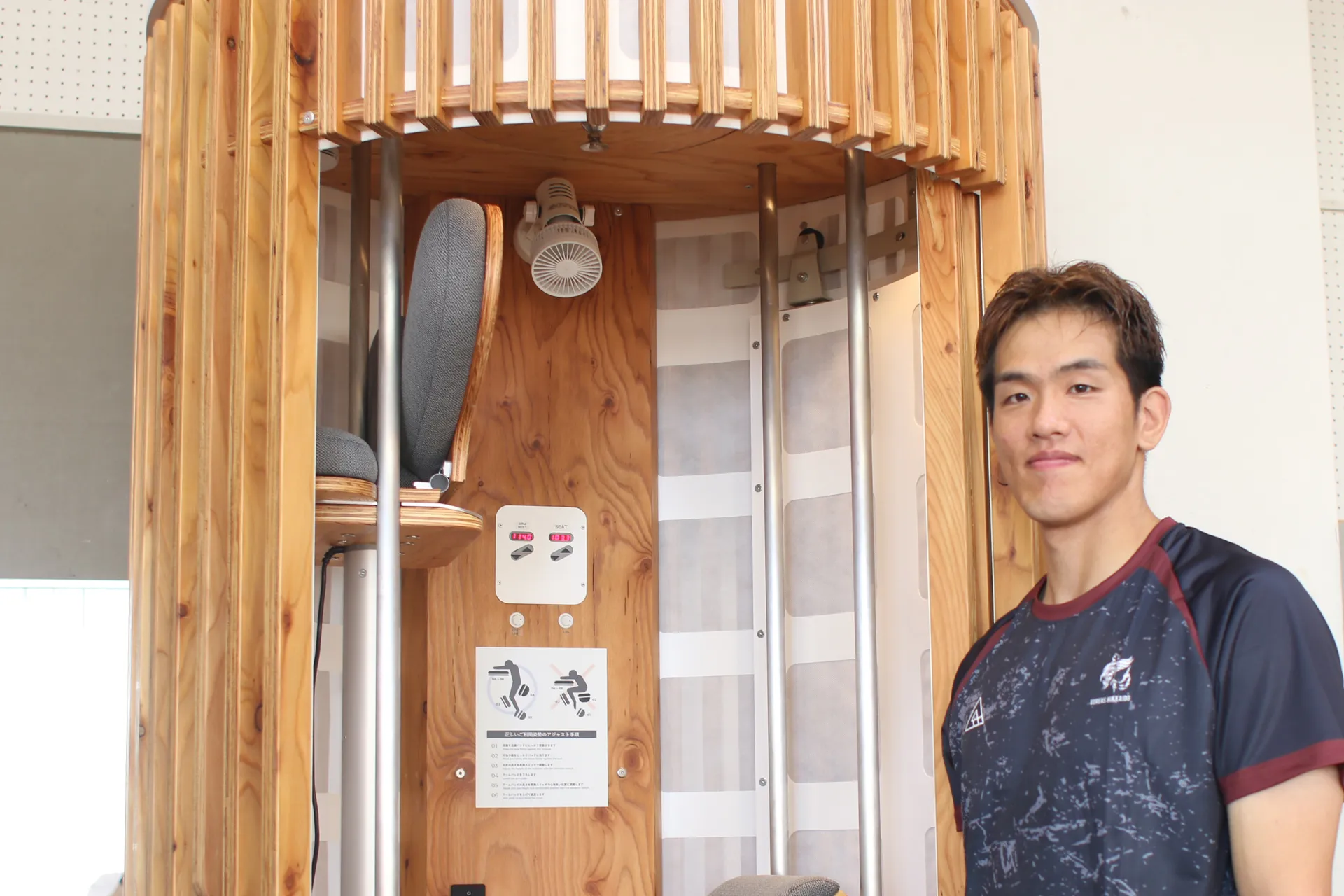
Every teammate rests differently. Some receive massages, while others lie down.
Napping is the same. Some players actively incorporate it into their routines, while others do not. The most important thing is finding the method that works best for you.
If I could request one additional feature for giraffenap, I would appreciate having an alarm inside the pod.
At present, I set an alarm on my smartphone, but it would be even more convenient if everything could be completed within the pod itself.
In some countries, daytime naps are firmly established as part of the culture, as with the siesta. In Japan, however, napping is still often viewed as something unusual.
I hope napping will become a more familiar form of conditioning in the future—not only for athletes, but for many other people as well.
The Benefits from a Staff Perspective
Yuna Okuyama, Assistant General Manager, VOREAS HOKKAIDO
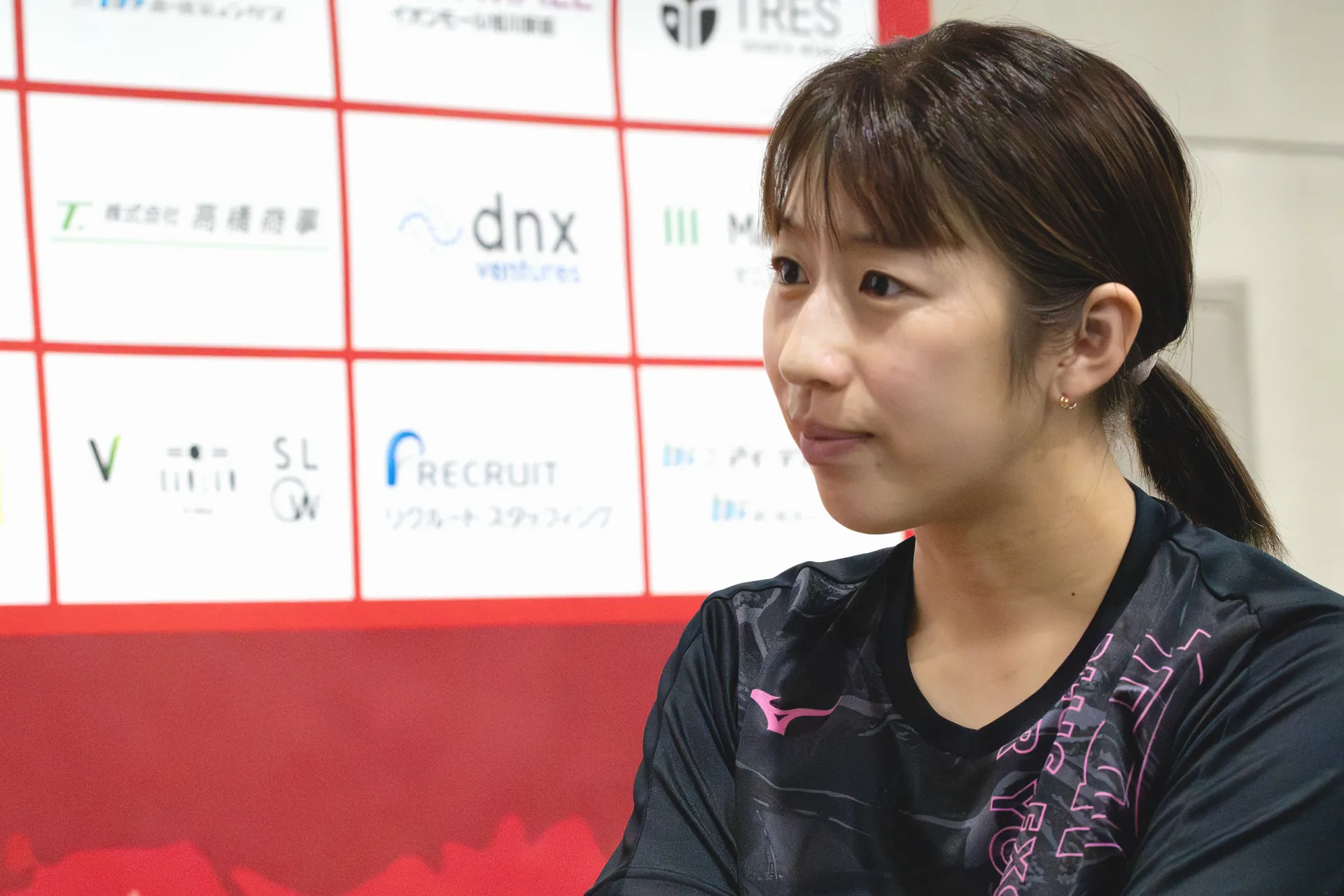
Yuna Okuyama, Assistant General Manager of VOREAS HOKKAIDO, is a former professional volleyball player who now supports the team behind the scenes.
Having experienced the importance of napping firsthand during her playing career, Okuyama shared how giraffenap is used from the perspective of a team staff member.
The Greatest Benefit Is the Mental Reset—Creating Personal Time to Recharge During the Workday
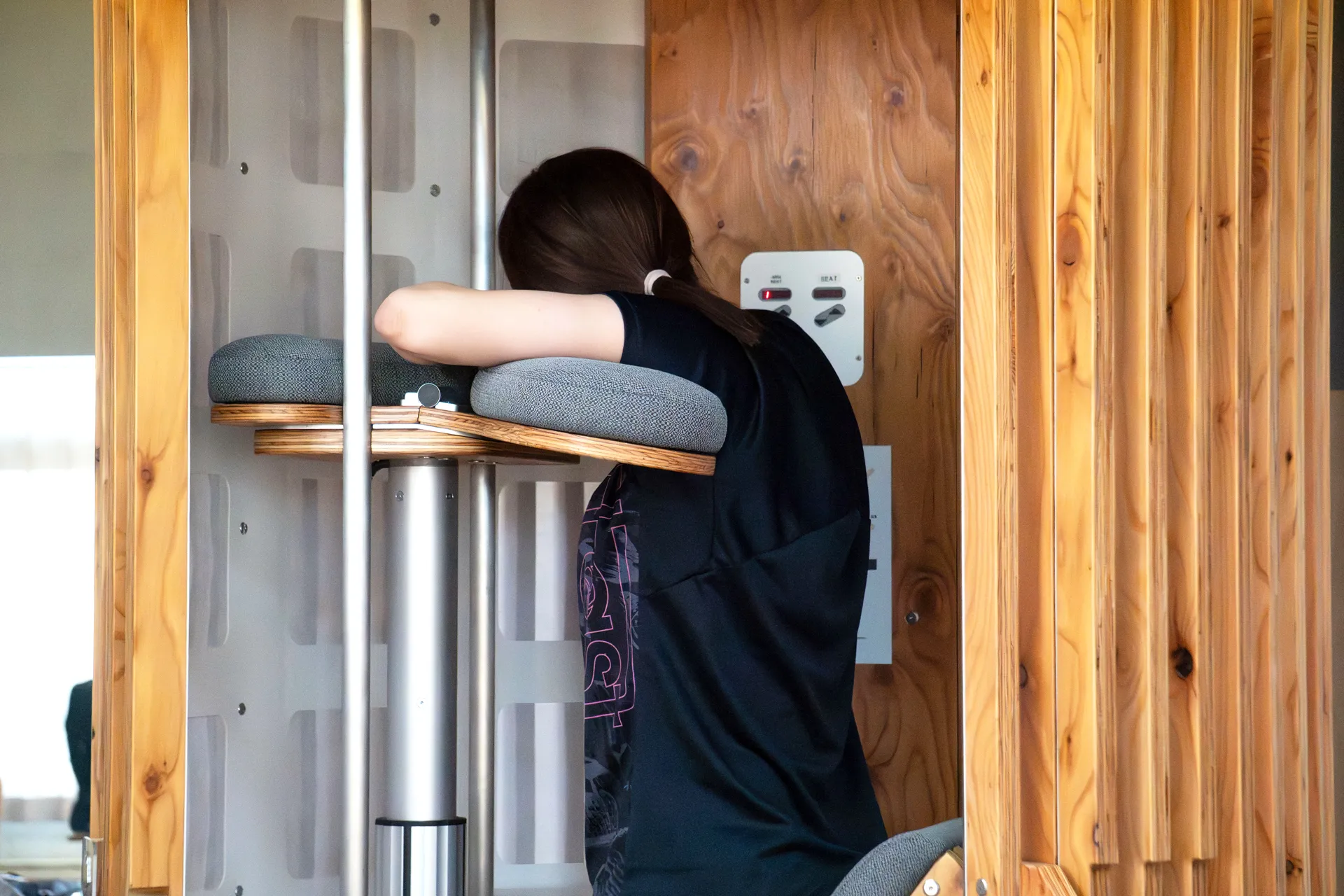
When giraffenap was first installed, my predecessor and I initially tried it simply out of curiosity.
Players currently have limited opportunities to use it because of the training schedule. When it was first introduced, however, I also used it during my breaks.
For example, I would enter giraffenap during the short break between finishing my morning duties and the start of the afternoon practice session.
More than physical recovery, the effect I noticed most was the ability to mentally switch gears.
During practice, the gym is always energetic and filled with voices and other sounds. Because giraffenap is a private space that blocks out light, entering the pod allows me to temporarily switch off from work and clear my mind.
Even if I could not fall asleep, simply spending ten minutes with my eyes closed made a noticeable difference in my ability to concentrate on my afternoon duties.
Recognizing the Importance of Napping as a Player—and Discovering the New Idea of Resting Upright
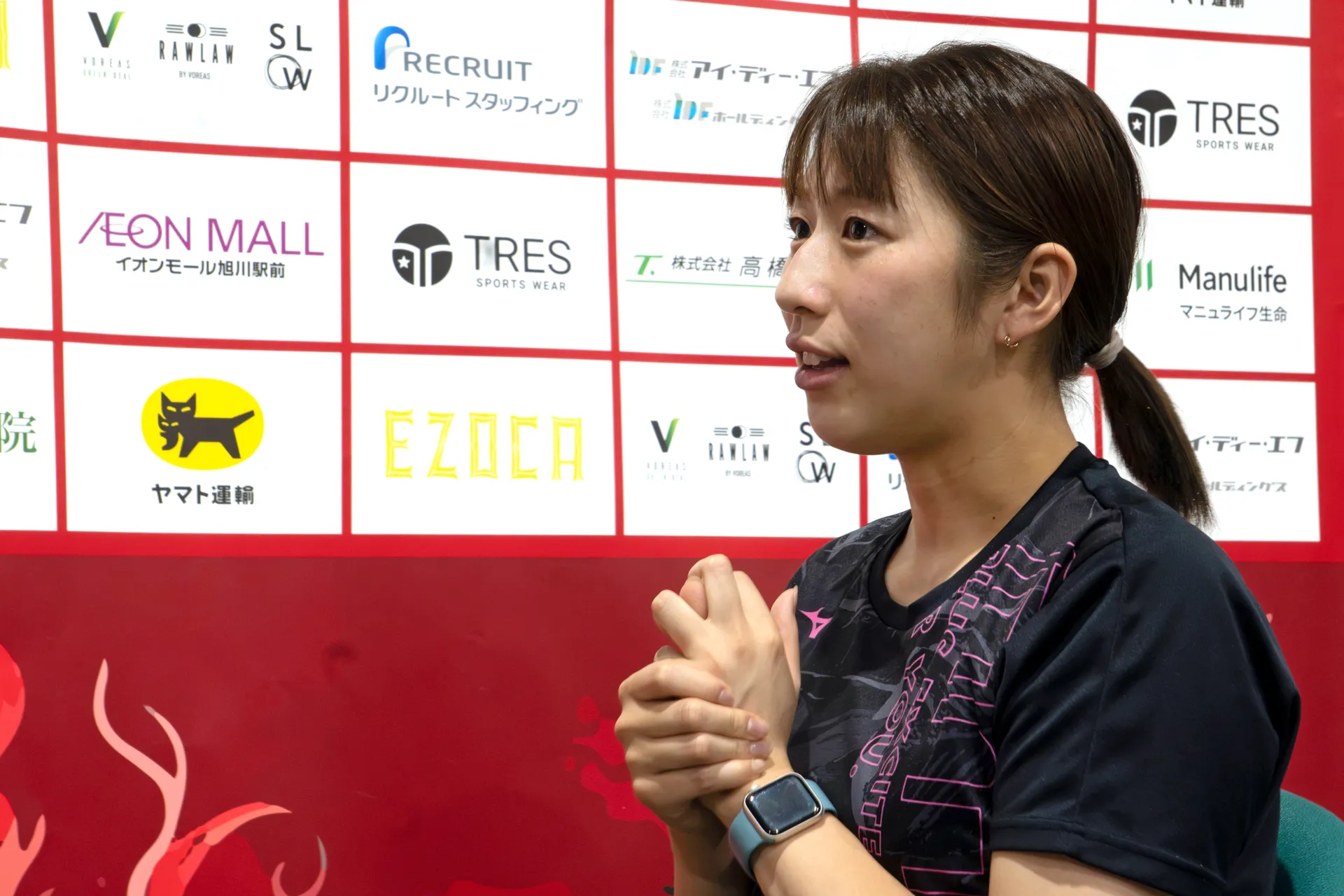
During my career as a volleyball player, I always took a nap at lunchtime on days when we had both morning and afternoon practices.
However, there were many times when I could not fall asleep because the excitement of a match had not subsided and my adrenaline was still running high.
Even then, simply lying down and closing my eyes made a major difference in my afternoon performance.
At the time, I rested by lying on a treatment table or yoga mat. The concept of resting in an upright position, as you do in giraffenap, was completely new to me.
When I first saw it, it reminded me of an upright version of the oxygen capsules I had previously used for recovery.
I remember being surprised and wondering, “How do you sleep in this?”
Adjusting the Installation Location Could Expand Its Potential Uses
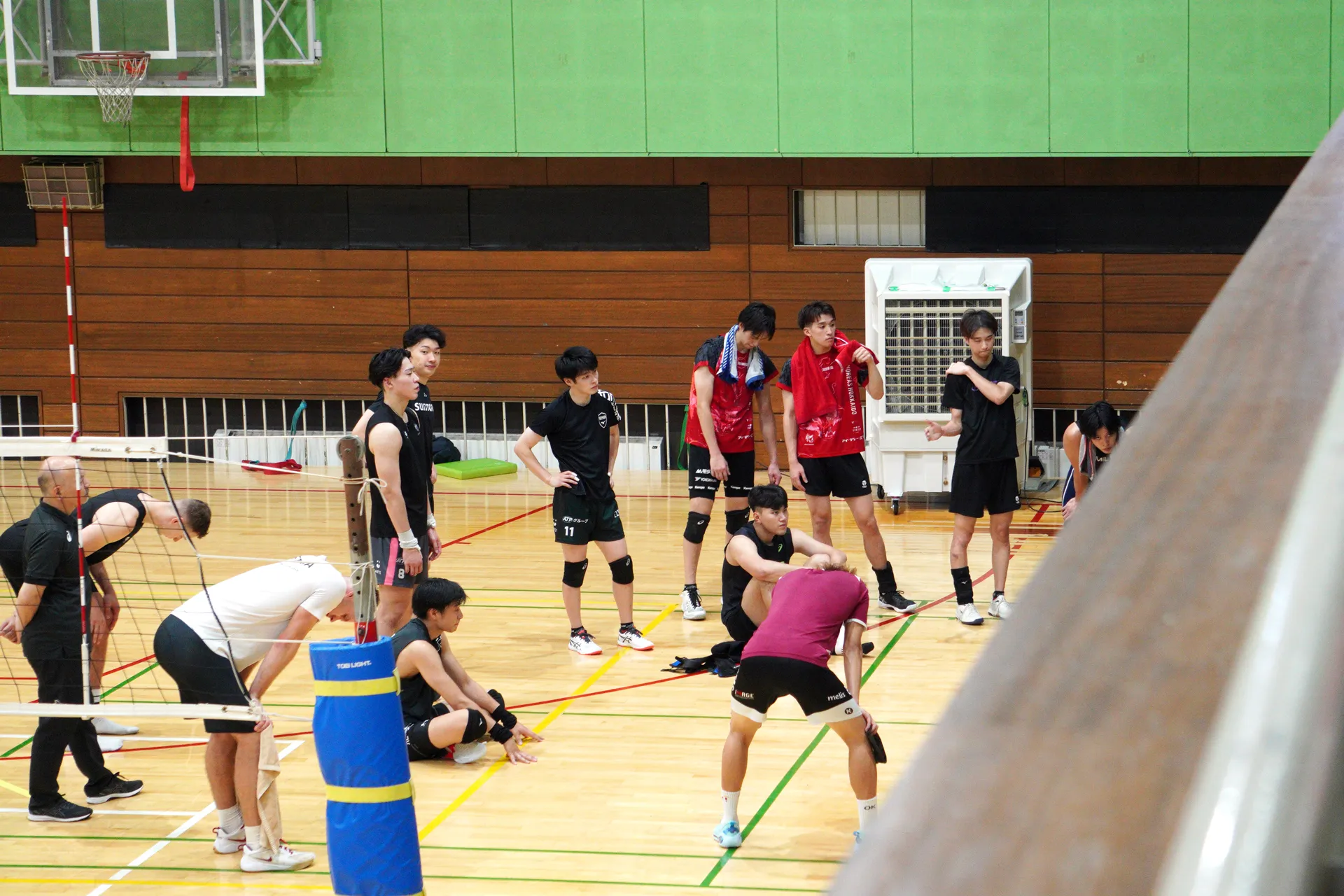
At present, giraffenap is installed in the players’ locker room, which is also a lively space where players communicate with one another.
Relocating it to the gym’s treatment room or to a quieter area on the second floor might make it even easier for both players and staff members to use.
Thank you very much for taking the time to speak with us.
We wish everyone at VOREAS HOKKAIDO continued success in the future.
View other case studies
How Nap Pods Transformed Break Culture at a Childcare Center – Workplace Reform in Kuwana City Made Possible Through Japan’s Corporate Hometown Tax Donation Program
Improving working conditions for childcare professionals has bec...
Avoiding Deep Sleep Makes It Easier to Reset~How Professional Volleyball Team VOREAS HOKKAIDO Uses the giraffenap~
VOREAS HOKKAIDO joined the SV.LEAGUE—the highest tier of profess...


